


In corrugated board production, starch glue gets less attention than the corrugator or the paper, yet it directly affects bond strength, board flatness, line speed and waste rate. Many defects, such as delamination, blisters, warp or forced slowdowns, come from glue that is inconsistent between batches.
This article gives an overview of the automatic glue preparation solutions from JT Bonding, the technology partner whose equipment and technical services PTS provides in Vietnam.
Who Is JT Bonding?
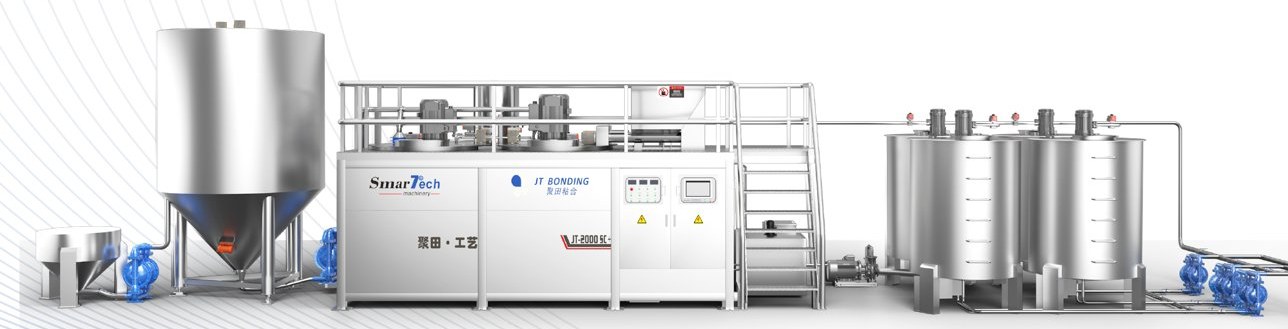
Jutian Bonding Technology (JT) is a technology company specializing in adhesive technology and automatic glue preparation equipment for the corrugated packaging industry. JT developed the MEP 1.5 glue preparation process and the JT Series smart glue kitchens. The systems focus on mixing, viscosity control, glue quality stability and automated operation.
JT works with process experts in China and abroad (Thailand, Singapore, Australia and others) to refine its solutions for real production conditions. Since 2025, JT has officially partnered with PTS in Vietnam.
What Is an Automatic Glue Kitchen?
An automatic glue kitchen is the equipment that prepares starch glue for the corrugator. It automatically doses starch, water, caustic soda and borax according to a recipe, applies shear mixing and controls the gelatinization reaction. Finished glue is stored and supplied continuously to the single facer and the glue machine.
Unlike manual preparation based on operator experience, an automatic system weighs every component and monitors viscosity and temperature throughout the process. As a result, every batch closely follows the set recipe.
Role in the Corrugated Board Line
- Stable board quality: uniform glue gives a strong bond between medium and liner, reducing delamination and warp.
- Maintained line speed: glue is always ready at the right viscosity, so the corrugator does not slow down waiting for glue or because of poor glue.
- Cost control: starch, caustic and borax are dosed precisely, avoiding excess.
- Data-driven management: glue consumption is recorded per shift, per tank and per machine unit, supporting costing and improvement.
JT Glue Kitchen Solutions
Dual-mixer glue kitchen – MEP 1.5 process
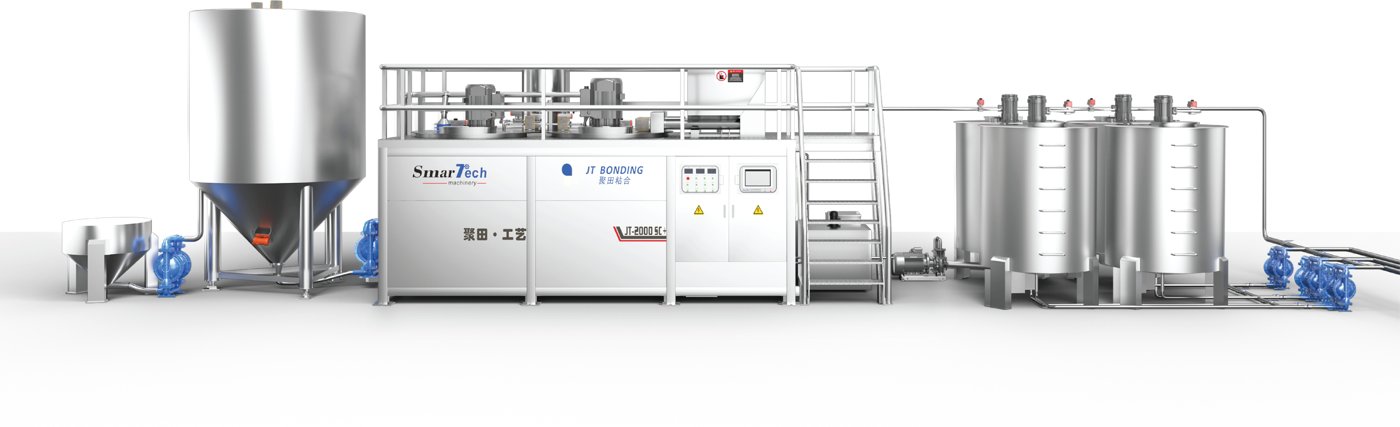
JT’s two-tank, 1.5-step MEP process controls the gelatinization reaction in parallel stages with a wider gel temperature control range. It is also compatible with conventional one-step and two-step modes.
Double system
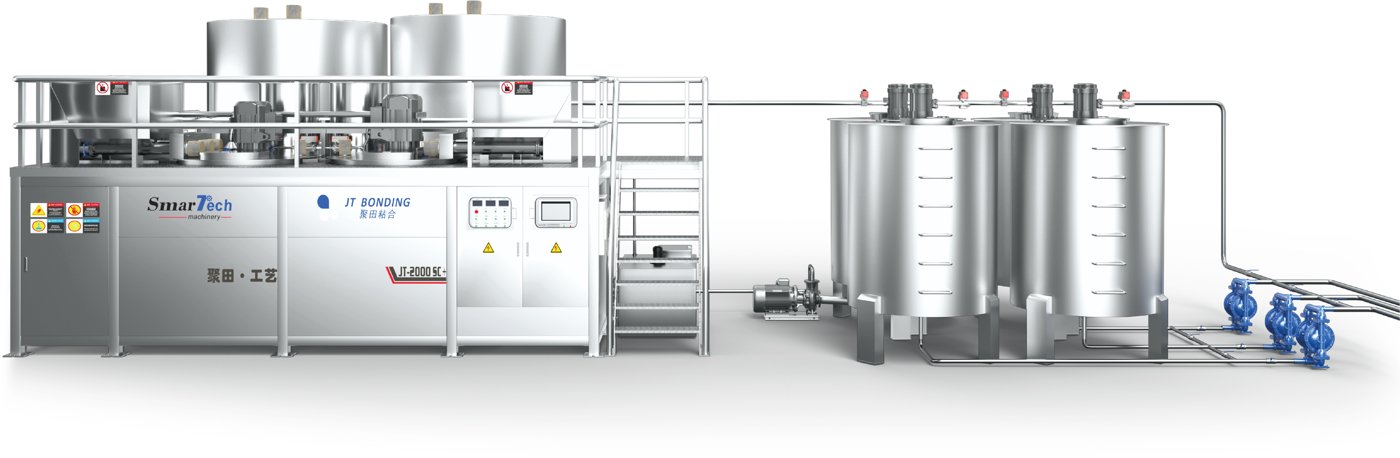
Two preparation units in one system, with separate glue modes available for the single facer and the glue machine. This configuration suits high-speed, high-output corrugator lines.
Single system
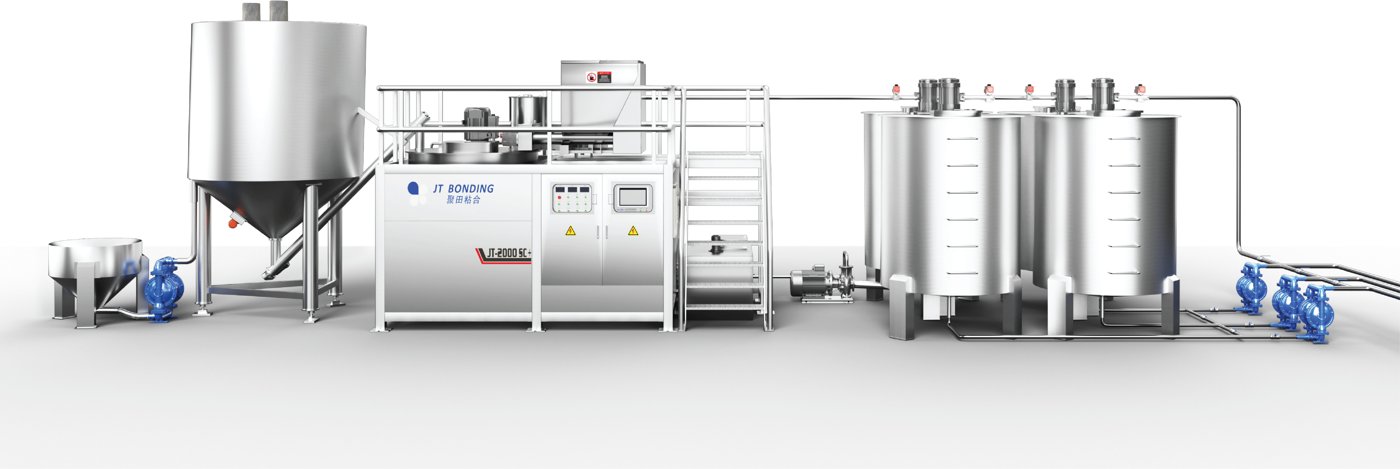
One preparation unit that switches flexibly between one-step and two-step modes. A compact configuration that handles small orders and short production cycles well.
Matching units
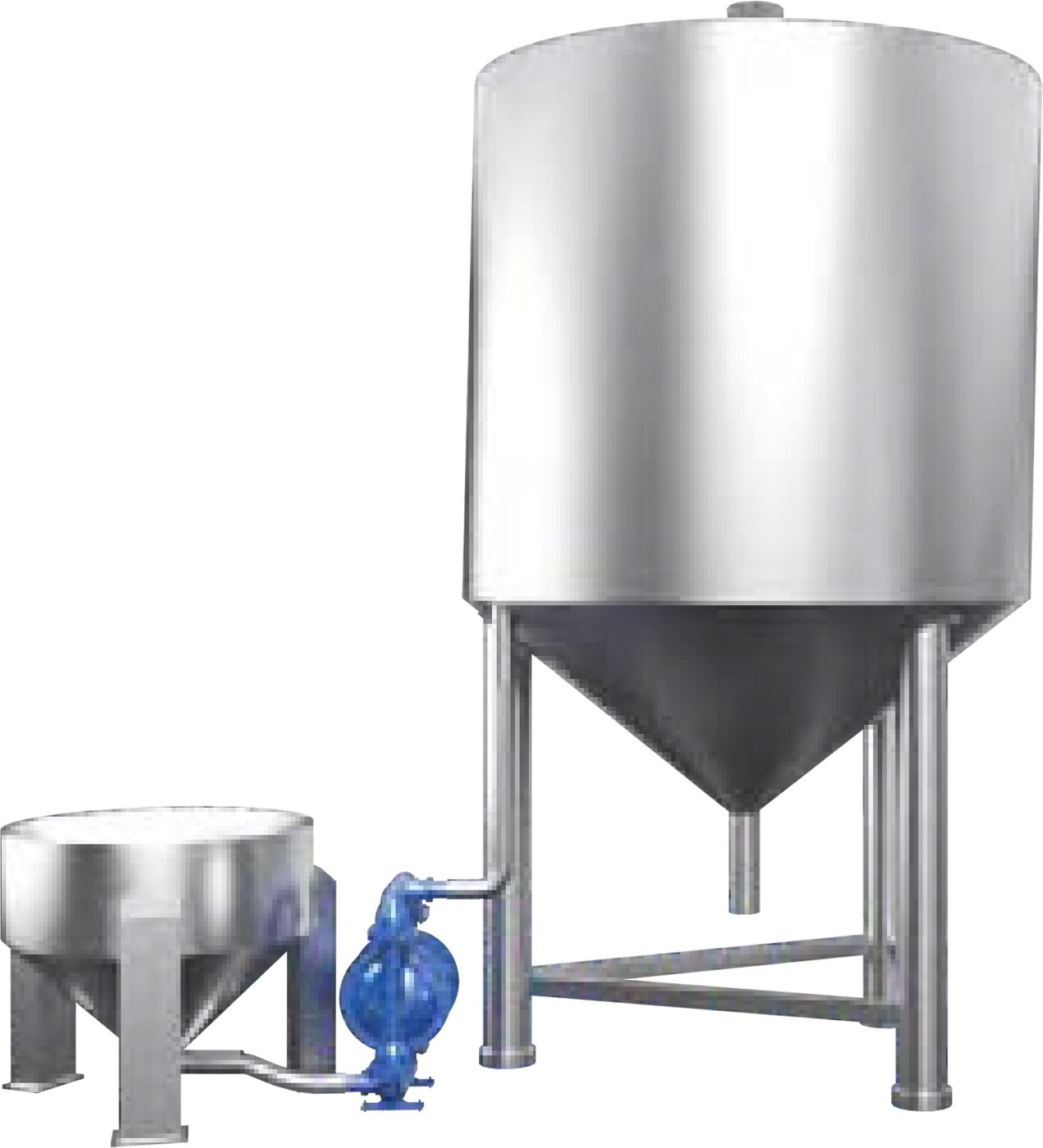
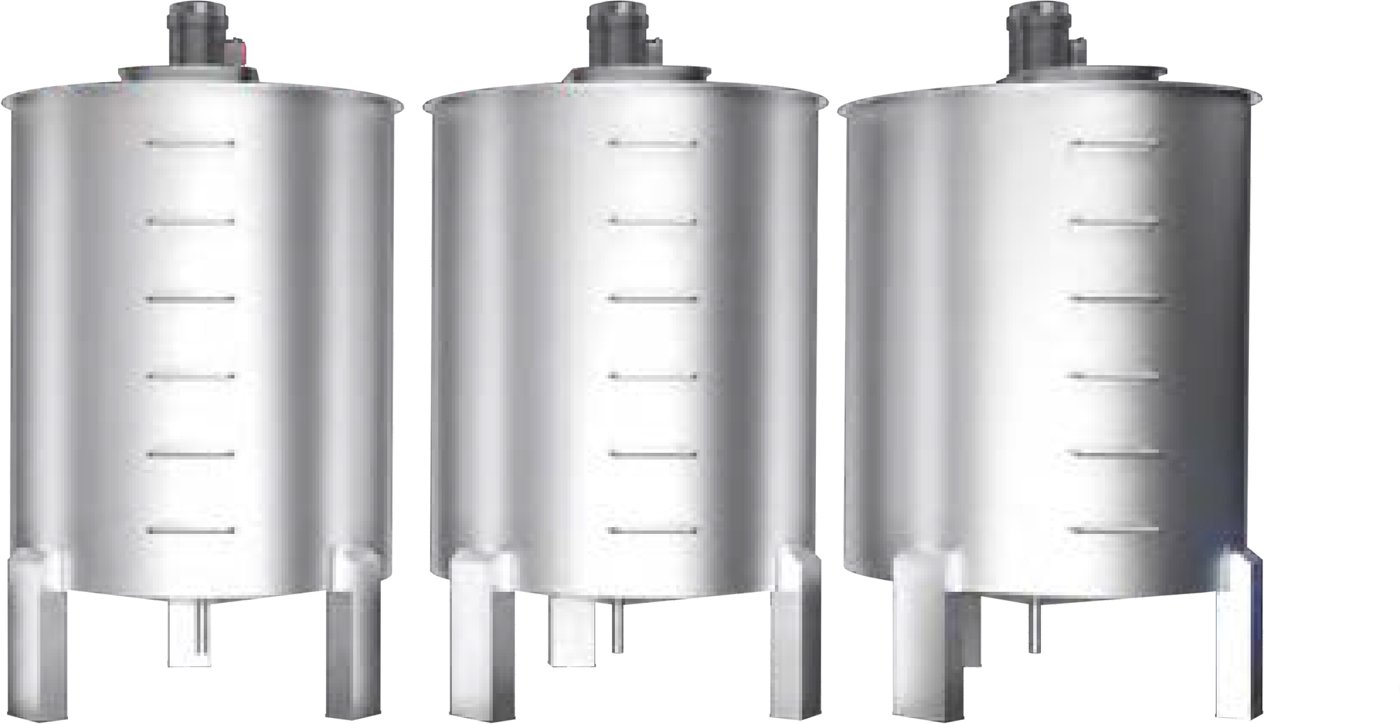
Besides the main kitchen, the system is configured to each plant’s needs: starch silo with dust collection, automatic caustic preparation tank, caustic dosing tank, auxiliary tank for borax and additives, glue storage tanks with stirring and temperature control, corrugator dosing tank and glue recovery tank. Each tank is sized to actual production.
Key Technologies
High-speed servo shear mixing
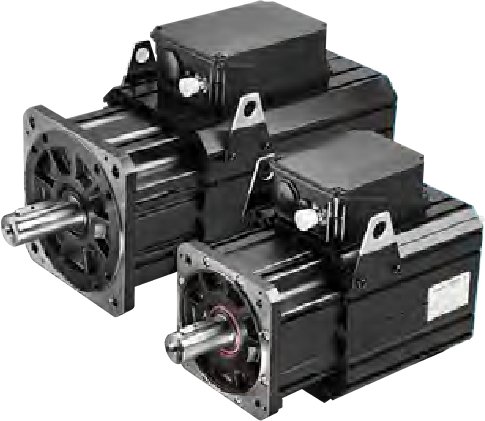
The main mixer combines radial and axial shear milling with a servo drive, producing finer glue with low caustic consumption, low gel temperature and good penetration.
Interlocked weighing
The whole system uses high-precision interlocked SimonPAK (UK) weighing. Caustic is dosed independently, while borax and additives are dosed by inverter, limiting the feeding errors that degrade glue quality.
Self-learning viscosity and gelatinization control
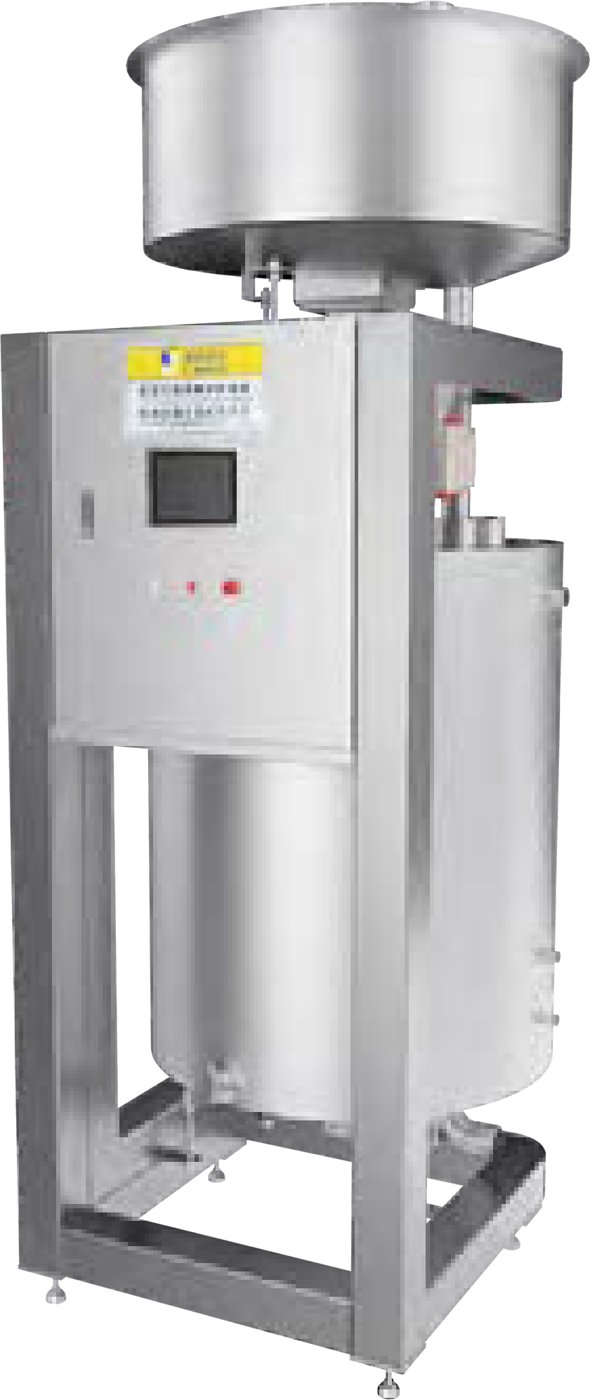
The system self-learns and self-corrects viscosity and gelatinization during preparation. Viscosity is also checked online at the corrugator, with automatic alarms when limits are exceeded.
Temperature compensation and automatic recipe adjustment
Caustic temperature is adjusted to ambient conditions, keeping gelatinization stable across seasons. When the starch type changes, one button triggers the system to check and generate a suitable recipe.
Cloud platform
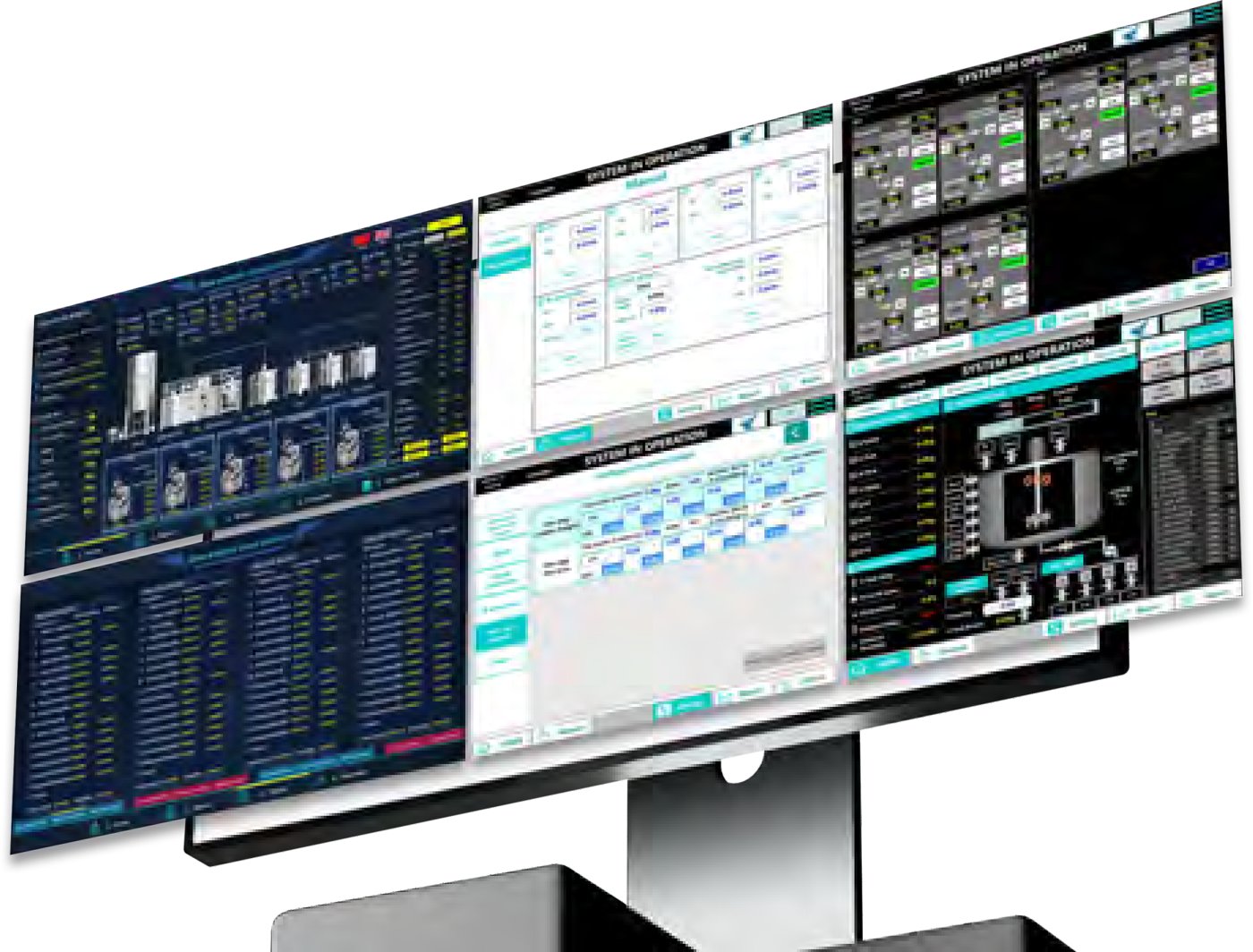
Glue preparation data is uploaded to a cloud platform for analysis, recipe optimization and operating history. Managers can view glue consumption reports per shift and receive fault alarms on their phones. The system can connect to ERP and production management systems. Engineers can also provide remote support through the platform.
Environmentally friendly operation
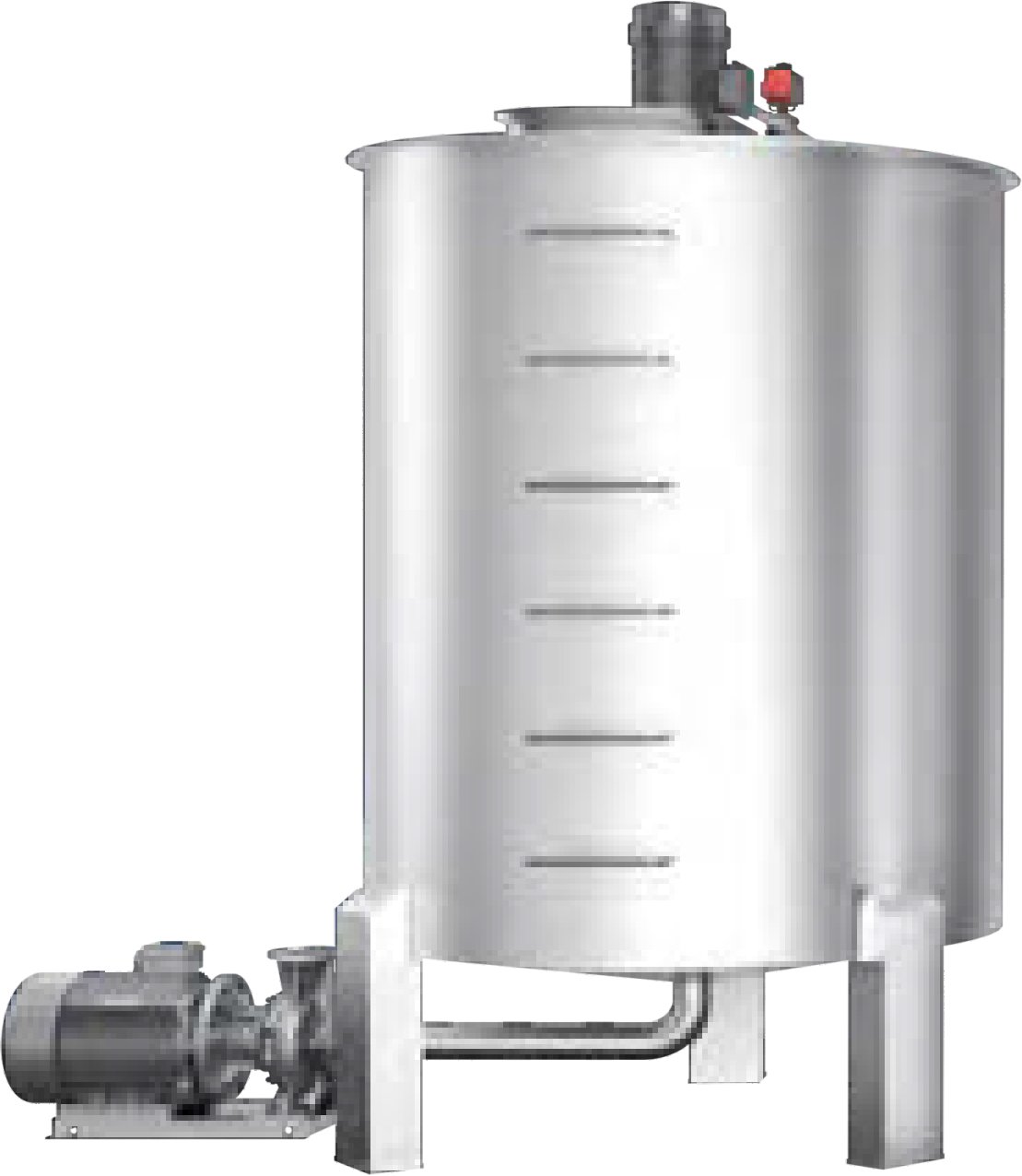
The recovery tank checks pH, processes leftover glue and matches the recipe automatically for reuse, aiming at zero-discharge glue preparation.
Factors to Consider When Choosing a Glue Kitchen
- Corrugator width, speed and output: these determine preparation capacity, single or double system, and storage tank sizes.
- Preparation process: one-step, two-step or MEP 1.5, depending on paper grades, starch type and board quality requirements.
- Separate glue supply: whether the single facer and glue machine need different glue modes.
- Space and utilities: silo location, glue piping, steam, compressed air and power.
- Data management level: consumption reporting, ERP integration, remote monitoring.
- Local service: the supplier’s installation, training, maintenance and response capability in Vietnam.
Glue Preparation Technology Trends
Glue preparation is shifting from “operator experience” to “data-driven control”. New systems self-correct viscosity, compensate for ambient temperature, generate recipes automatically when materials change and connect to cloud platforms for analysis. At the same time, packaging plants are placing more weight on material savings, lower energy use and zero discharge.
Solutions from PTS and JT Bonding
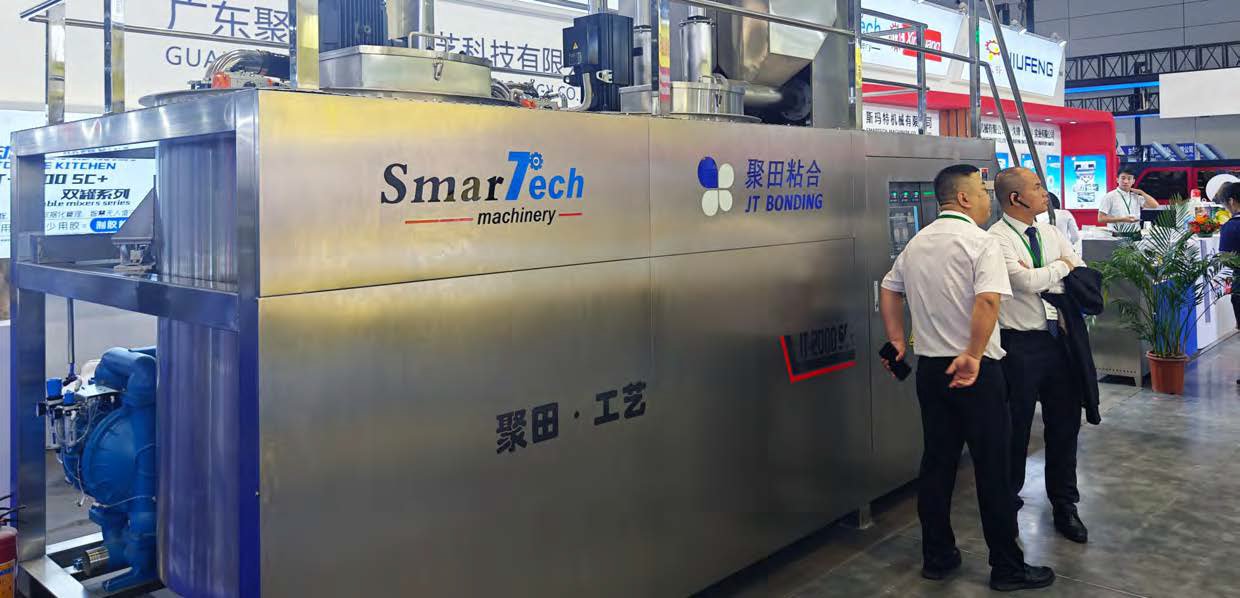
PTS works with JT to provide complete glue kitchen solutions for corrugated board plants in Vietnam:
- Survey of the existing corrugator and glue preparation system.
- Configuration advice, solution design and quotation based on actual conditions.
- Equipment supply, installation, commissioning and initial supervised operation.
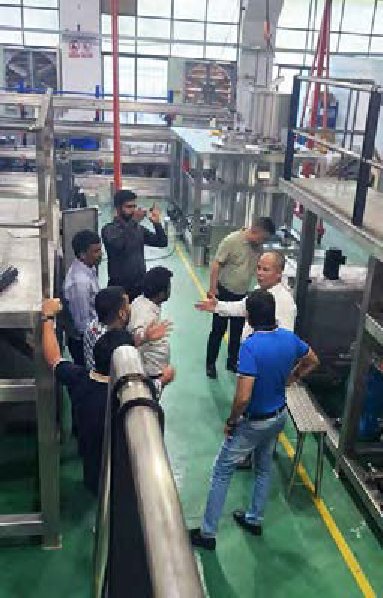
- Training on corrugator theory, glue preparation processes, operation and maintenance for the plant team.
- Technical support and after-sales maintenance; JT monitors equipment via the cloud platform and provides online support.
Conclusion
Investing in an automatic glue kitchen is a direct way to stabilize board quality, maintain corrugator speed and control material costs. With JT Bonding’s technology and PTS’s local engineering capability, plants can upgrade glue preparation to suit their existing line or a new investment project.
See specific systems in our Auto Glue Kitchen system category.
Contact PTS for a site survey and consultation on the right glue kitchen solution for your plant.